The Book:
Steel Force: A Memoir of Gravity and Grace
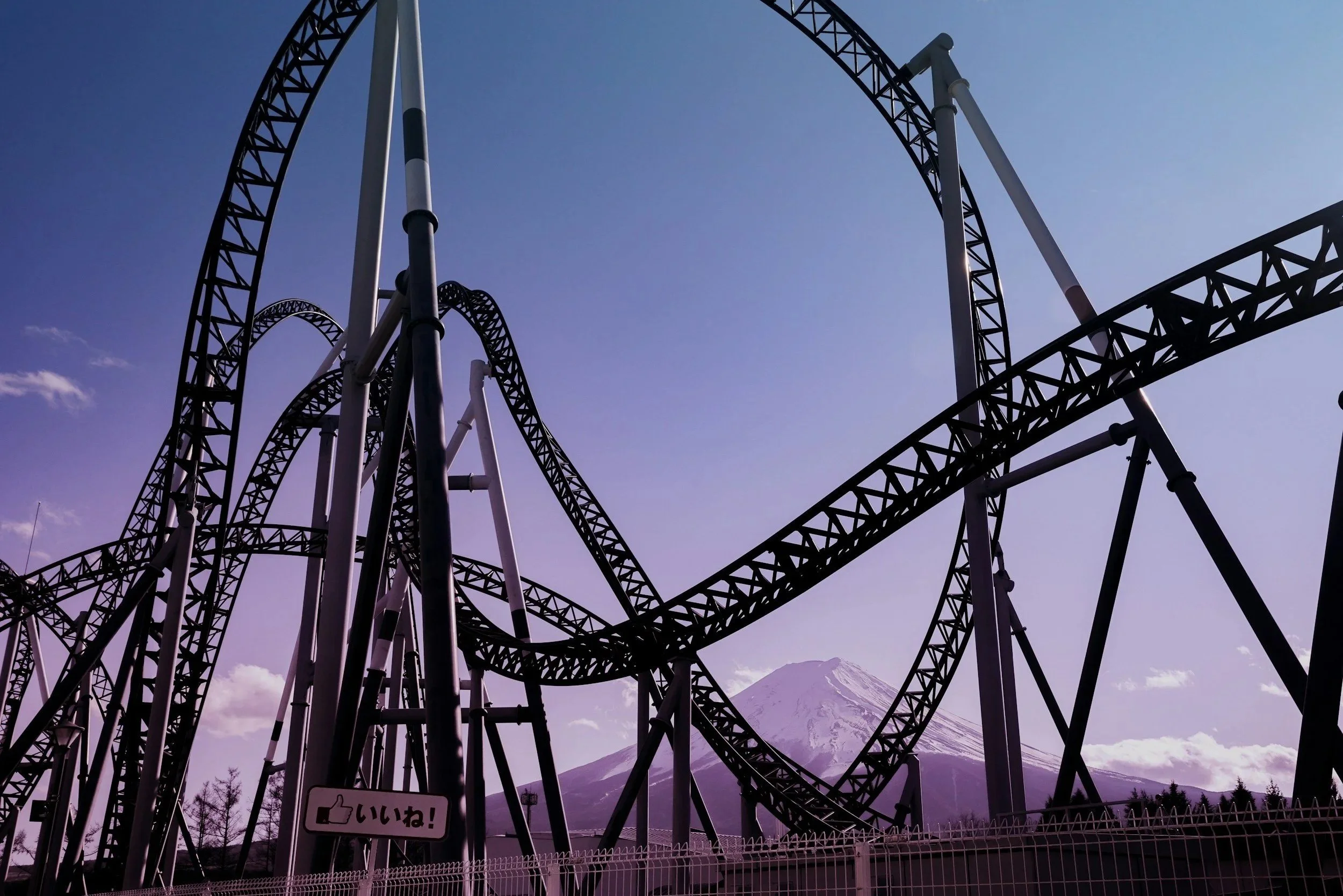
SYNOPSIS
Lisa Manheim thought her family was coasting at the summit of a perfect life. But when her nine-year-old son Emmet, a walking encyclopedia of roller-coaster engineering, is diagnosed with severe aplastic anemia, the track beneath them vanishes. Thrust into the sterile, isolated airlocks of the pediatric bone marrow transplant ward, Lisa and her husband Jeff wage a desperate, months-long war against failing biology.
As treatments stall and the stakes reach the suffocating confines of the ICU, Emmet’s passion for thrill rides becomes the family’s only vocabulary for survival. Lift hills, friction brakes, and G-forces replace medical jargon, teaching a devastated mother that we cannot steer the drops life forces upon us. Raw, unforgettable, and fiercely loving, Steel Force is an exploration of the illusion of parental control, the unbreakable alloy of community, and the profound courage it takes to scream as you go down.
The language of the ride
What is a Thoosie?
A Thoosie (from enthusiast) is someone who doesn't just ride roller coasters — they study them. They know the difference between a hyper-coaster and a giga-coaster, track airtime statistics, and have strong opinions about steel versus wooden track. Emmet was a Thoosie at seven years old. His obsession became the memoir's language — the technical vocabulary of the ride is how the Manheim family understood what was happening to them.
Emmet’s favorite “Thoosie”—Logan Joyner, who has his own remarkable story.
The language of the ride
What is a Thoosie?
A Thoosie (from enthusiast) is someone who doesn't just ride roller coasters — they study them. They know the difference between a hyper-coaster and a giga-coaster, track airtime statistics, and have strong opinions about steel versus wooden track. Emmet was a Thoosie at seven years old. His obsession became the memoir's language — the technical vocabulary of the ride is how the Manheim family understood what was happening to them.
The lift hill
The slow climb toward something you can't see yet
Click. Click. Click. The chain catches one tooth at a time. In the memoir, this is the months of bruises and doctor visits before the diagnosis — the quiet, mechanical pull upward, leaving safety behind.
Airtime
Negative G-forces that lift you out of your seat
The floating weightlessness Thoosies chase. In the memoir, these are the moments that kept the family human inside the impossible — a Fenway game, a movie marathon, cousins laughing past the oxygen tank.
The rollback
When the coaster fails to clear the hill and slides backward
Thoosies love rollbacks — an extra ride in reverse. In the memoir, the rollback is the name for the section where the transplants fail and the family descends into the ICU. What thrills on a coaster devastates in a hospital.
The G-force
The force that presses you into your seat at the bottom of the drop
Positive G-forces are the opposite of airtime — gravity pressing down with relentless weight. In the memoir's darkest chapters, the family is being crushed, not floating. The G-force of motherhood: strapped in beside your child while something enormous happens.
The alloy
Metal strengthened by introducing other atoms into its structure
In physics, an alloy stops cracks from spreading. In the memoir, the alloy is the community — donors, doctors, nurses, friends, strangers — acting as the carbon and chrome that keep a family's steel from shattering. Nothing is strong all by itself.
The brake run
The final deceleration before the station
The moment a rider knows the worst is over. Throughout the memoir, the family watches for the brake run — the ANC number that signals the chain has caught, the engraftment that means the ride might deliver them home.
"The roller coaster framework is not a literary conceit layered onto the experience after the fact. It was the language Emmet and I actually used to understand what was happening to him."
— Lisa Manheim